
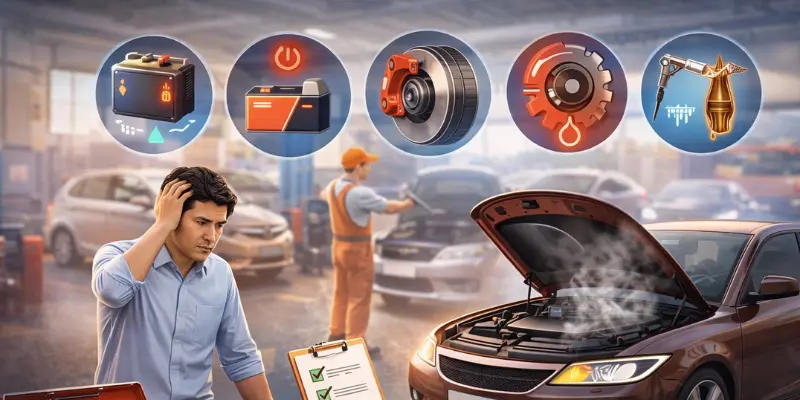
Common Car Problems & Smart Ways to Prevent Them
Cars rarely break down without warning. Most issues begin quietly an unusual sound, a dashboard light you ignore, or a slight drop in performance. Over time, these small signs grow into roadside emergencies. Understanding common car problems and knowing how to prevent them can save you money, time, and unnecessary stress, especially if you travel frequently or drive in busy cities.
This guide takes a practical, real-world look at the most common car issues drivers face and explains how smart habits can help you avoid them altogether.
Understanding Common Car Problems
Common car problems are recurring mechanical or electrical issues that affect vehicle performance, safety, or reliability. These problems are not limited to old vehicles; even newer cars experience failures due to driving conditions, maintenance gaps, or manufacturing tolerances.
In India, factors like traffic congestion, extreme weather, poor road conditions, and irregular servicing increase the likelihood of breakdowns. The good news is that most of these issues are predictable and preventable.
Why Preventing Car Problems Matters More Than Fixing Them
Preventive care is often overlooked because modern cars feel reliable—until they are not. Preventing car problems reduces sudden repair bills, avoids dangerous roadside situations, and improves fuel efficiency over time.
More importantly, prevention gives drivers control. Instead of reacting to a breakdown, you stay ahead of it. This is especially valuable for long-distance travellers, daily commuters, and families who depend on their vehicles.
The Usual Suspects: Problems Cars Develop Over Time
Rather than listing issues randomly, it helps to understand car problems by system because failures often follow patterns.
Engine and Cooling-Related Issues
Engines fail most often due to overheating, oil neglect, or coolant leaks. Low engine oil increases friction, while insufficient coolant causes overheating both of which can permanently damage the engine.
Battery and Electrical Failures
Dead batteries remain one of the most common causes of roadside assistance calls. Short trips, loose terminals, aging batteries, or faulty alternators quietly drain power until the car refuses to start.
Brake Wear and Safety Concerns
Brake pads and discs wear gradually. Ignoring squealing sounds or vibration can lead to reduced braking efficiency, longer stopping distances, and expensive repairs.
Tyre and Suspension Problems
Underinflated tyres, uneven wear, and alignment issues affect handling and fuel economy. Suspension problems often develop due to potholes, speed breakers, and overloaded vehicles.
Fuel System and Mileage Issues
Clogged fuel filters, dirty injectors, or poor fuel quality reduce efficiency and engine smoothness. Many drivers mistake these early signs for “normal aging.”
How Car Problems Develop: A Step-by-Step Breakdown
Most car problems follow a predictable cycle. It begins with minor neglect—skipping service intervals or ignoring warning signs. Over time, wear accelerates, small components fail, and stress spreads to connected systems. Eventually, the car reaches a breaking point, usually at the worst possible moment during traffic, on highways, or in bad weather.
Preventing this cycle requires awareness more than expertise.
A Preventable Breakdown
Consider a city commuter who ignores a glowing temperature warning light because the car “still runs fine.” A minor coolant leak goes unnoticed. During a highway drive, the engine overheats, forcing an emergency stop and an expensive tow. A simple coolant check during routine servicing could have prevented the entire situation.
Such stories are far more common than major mechanical failures.
Common Myths That Lead to Car Trouble
One of the biggest myths is that modern cars don’t need frequent attention. While technology has improved reliability, it has also increased complexity. Sensors, electronics, and software require consistent maintenance.
Another misconception is that problems will announce themselves loudly. In reality, many serious issues begin silently and only reveal themselves when damage is already done.
Expert Habits That Keep Cars Reliable
Experienced drivers develop small habits that make a big difference. Paying attention to dashboard warnings instead of ignoring them, listening to unusual sounds, and sticking to service schedules are simple but powerful practices.
Using quality fuel, maintaining proper tyre pressure, and allowing the engine to warm up gently especially in cold or extreme weather—also extend vehicle life significantly.
What You Can Do Starting Today
Prevention does not require mechanical expertise. It starts with consistency. Regular servicing, visual inspections, and responding early to warning signs reduce the risk of sudden breakdowns.
Keeping a basic emergency kit and knowing when to seek professional help further adds a layer of safety, especially for long drives or unfamiliar routes.
The Bigger Picture: Reliable Cars, Confident Driving
A well-maintained car is not just about fewer repairs it is about confidence. You drive without anxiety, plan trips without hesitation, and handle daily commutes smoothly. Preventing common car problems is less about spending more and more about paying attention.
Prevention Is the Real Power Move
Most car problems are not bad luck, they are delayed signals. By understanding how issues develop and taking small preventive steps, you turn car ownership into a predictable, stress-free experience.
If you want peace of mind on the road, start with prevention. Your car will thank you with reliability, performance, and fewer unexpected stops.
FAQs
What is the most common car problem?
Battery failure remains the most common car problem, especially in urban driving conditions with frequent stops and short trips.
How often should a car be serviced to avoid problems?
Most cars should be serviced every 6 months or as per manufacturer recommendations to prevent long-term issues.
Can ignoring warning lights cause serious damage?
Yes. Warning lights often indicate early-stage issues. Ignoring them can lead to costly repairs or complete breakdowns.
Do new cars also face common car problems?
Yes. While newer cars are more reliable, they still experience battery, tyre, sensor, and electronic issues if not maintained properly.